
February 23, 2026
The B.S. in Biomedical Engineering will launch Fall 2026
Starting Fall 2026, St. Mary’s University will become the only private, Catholic institution in Texas to offer a bachelor’s in Biomedical Engineering.
The Bachelor of Science in Biomedical Engineering will provide students with a rigorous foundation in engineering, mathematics and the life sciences, preparing graduates to address challenges at the intersection of technology and human health. The program is designed to prepare students either for professional practice in medical device development, biotechnology and health care innovation or for graduate programs in engineering and medicine.
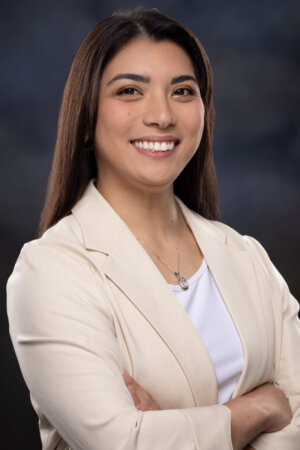
“St. Mary’s will be the only private, Catholic university in the state to provide this important educational pathway,” said Alisa Isaac, Ph.D., Assistant Professor of Biomedical Engineering. “This unique positioning will expand access for students who aspire to careers in health care and technology but may not otherwise have the opportunity to pursue biomedical engineering in a supportive environment.”
Students may enroll in the program beginning in Fall 2026, pending approval by the Southern Association of Colleges and Schools Commission on Colleges. Through course work, laboratory activities and undergraduate research options, students will gain experience in applying the principles of engineering, biology, human physiology, chemistry and math to solve biomedical engineering problems.
The career outlook is bright for future graduates of the program. According to the Bureau of Labor Statistics and Lightcast data, biomedical engineering is projected to grow faster than the average for all occupations (3-4%) and the average for all engineering fields (about 5%), with median annual wages exceeding $90,000. Demand is particularly strong in medical device design, biotechnology, defense health care systems and rehabilitation engineering.
“Biomedical engineering is projected to grow nationally and in Texas, and San Antonio’s $44 billion biomedical and health care ecosystem continues to expand in medical devices, biotechnology and defense health technologies,” said Associate Professor of Mechanical Engineering Juan Ocampo, Ph.D., who was instrumental in creating the program. “St. Mary’s will help build a strong pipeline of engineers who are not only technically prepared to design and advance transformative biomedical technologies, but also formed to develop and deploy those innovations responsibly, strengthening our region’s innovation capacity and workforce for years to come.”
Guided by the Marianist values of service, community and educating the whole person, this new program emphasizes the responsible development and use of biomedical technologies that protect life, promote justice and serve the common good, said Thomas “Ted” Macrini, Ph.D., Interim Dean of the School of Science, Engineering and Technology.
“Students will engage deeply with ethical decision-making in areas such as medical device innovation, data and AI use in health care, and emerging biotechnologies, ensuring that graduates understand both the transformative potential of biomedical engineering and the moral responsibilities that accompany it,” Macrini said.